
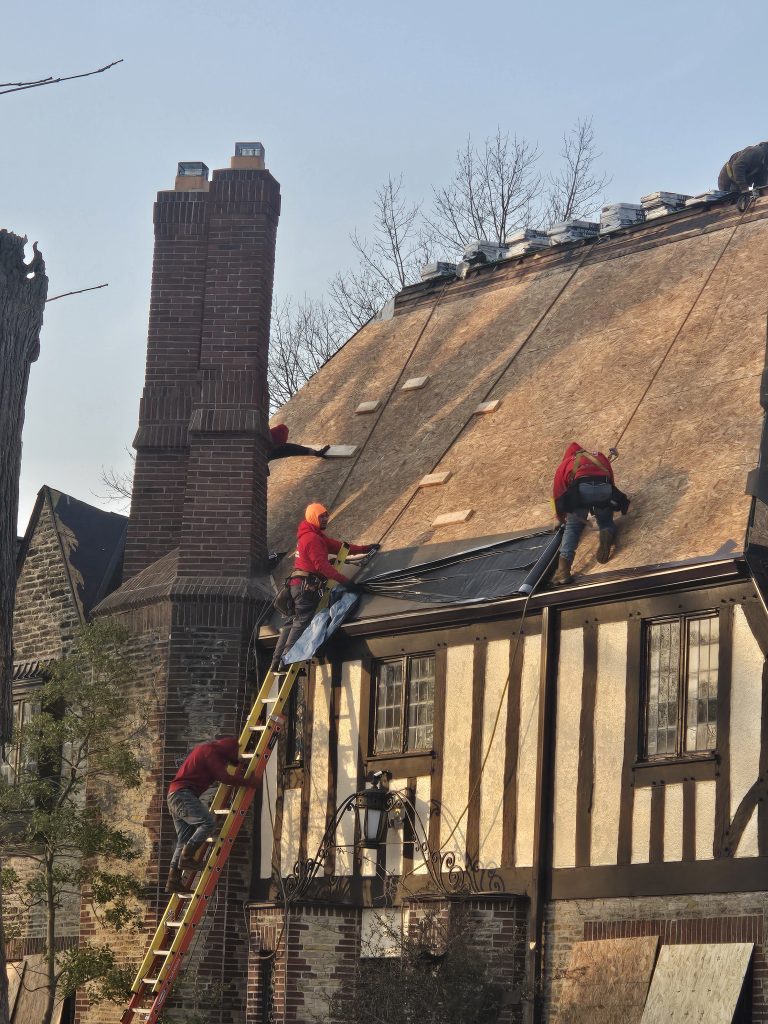
Storms can leave behind more damage than you may notice from the ground. Heavy rain, strong winds, hail, and falling tree branches can weaken your roof, causing leaks and structural issues that become more expensive over time. Even if your roof looks fine after a storm, hidden damage may still exist.
Understanding the warning signs of storm damage and acting quickly can save you money while protecting your family and home. Professional Storms roof repair services help restore your roof’s strength and prevent future problems before they worsen.
How Storms Damage Your Roof
Every storm affects a roof differently depending on its age, materials, and severity. High winds can lift or tear off shingles, while hail can crack roofing materials and reduce their lifespan. Heavy rain often finds its way through even the smallest openings, leading to water damage inside your home.
Common causes of storm-related roof damage include:
- Strong winds lifting or removing shingles
- Hail creating dents, cracks, or broken shingles
- Heavy rainfall causing leaks
- Fallen branches damaging roofing materials
- Flying debris puncturing the roof surface
- Flashing damage around chimneys, vents, and skylights
Even minor damage can become a major issue if repairs are delayed.
Signs Your Roof Needs Storm Damage Repair
Some roof damage is obvious, but other problems are hidden beneath the surface. After a severe storm, inspect your property safely from the ground and look for warning signs.
These include:
- Missing, curled, or cracked shingles
- Water stains on ceilings or walls
- Roof leaks during or after rain
- Granules collecting in gutters
- Sagging roof sections
- Damaged flashing around roof openings
- Pieces of roofing material in your yard
If you notice any of these issues, schedule a professional roof inspection as soon as possible.
Why Immediate Roof Repairs Matter
Many homeowners wait until a roof leak becomes severe before calling a contractor. Unfortunately, waiting often makes repairs more expensive.
Small openings allow water to enter your attic and insulation. Over time, moisture causes mold growth, wood rot, damaged drywall, electrical hazards, and weakened roof framing.
Prompt roof repairs help:
- Prevent interior water damage
- Protect insulation and attic spaces
- Extend roof lifespan
- Reduce future repair costs
- Maintain your home’s value
- Improve energy efficiency
The sooner repairs begin, the easier and less expensive they usually are.
The Roof Repair Process
Professional roofing contractors follow a careful process to ensure every damaged area is repaired correctly.
1. Complete Roof Inspection
The contractor checks shingles, flashing, gutters, vents, and structural components to identify both visible and hidden damage.
2. Damage Assessment
A detailed inspection report explains the condition of your roof and recommends the necessary repairs.
3. Temporary Protection
If active leaks are present, temporary tarping may be installed to prevent additional water damage until permanent repairs begin.
4. Roof Repairs
Damaged shingles, flashing, vents, or other roofing materials are replaced using high-quality materials that match your existing roof whenever possible.
5. Final Inspection
The completed repairs are inspected to ensure your roof is secure, watertight, and ready for future storms.
Should You Repair or Replace Your Roof?
Not every storm requires a complete roof replacement.
Roof repair is often the best option when:
- Damage is limited to a small area
- The roof is relatively new
- The roof structure remains strong
- Only a few shingles or flashing sections need replacement
Roof replacement may be recommended if:
- Damage affects large portions of the roof
- Multiple leaks exist
- The roof is nearing the end of its lifespan
- Structural damage is extensive
A trusted roofing professional can help determine the most cost-effective solution.
Insurance and Storm Damage Claims
Many homeowners’ insurance policies cover storm-related roof damage caused by wind, hail, or falling trees.
To make the claims process easier:
- Take photos of visible damage.
- Document the date of the storm.
- Avoid making permanent repairs before the insurance inspection unless necessary to stop further damage.
- Keep receipts for emergency repairs.
- Schedule a professional roof inspection.
Many roofing companies also assist homeowners throughout the insurance claim process, making paperwork and inspections much easier.
Tips to Prevent Future Storm Damage
Although storms cannot be prevented, regular roof maintenance can reduce the risk of major damage.
Helpful maintenance tips include:
- Schedule annual roof inspections.
- Replace damaged shingles promptly.
- Keep gutters clean.
- Trim overhanging tree branches.
- Inspect flashing around chimneys and vents.
- Address small leaks immediately.
Routine maintenance keeps your roof stronger and better prepared for severe weather.
Choosing the Right Roof Repair Contractor
Hiring an experienced roofing contractor ensures quality repairs that last.
Look for a company that offers:
- Licensed and insured professionals
- Experience with storm damage repairs
- Free roof inspections
- High-quality roofing materials
- Clear estimates with no hidden fees
- Strong customer reviews
- Workmanship warranties
Choosing a reputable contractor provides peace of mind and helps protect your investment.
Final Thoughts
Storm damage should never be ignored, even if your roof appears to be in good condition. Small problems can quickly turn into costly repairs when water enters your home and weakens the roofing system.
A professional roof inspection after severe weather can identify hidden damage early, helping you avoid expensive structural repairs later. Whether your roof needs a few shingle replacements or more extensive repairs, acting quickly protects your home, your family, and your investment.
If your property has recently experienced heavy rain, hail, or strong winds, don’t wait for leaks to appear. Contact a trusted roof repair specialist today to restore your roof and keep your home safe in every season.